cod. 290.13
La ricerca ha estratto dal catalogo 104763 titoli
cod. 290.13
After his death in 1904, the work of Gabriel Tarde has experienced a long oblivion, also determined by the devaluation of his thinking on the part of official sociology of the time (Durkheim, Bouglè) that has summarily classified as a sociologist ‘individualist’. However, since the 1960s, Tardean individualism has found new supporters (Boudon) and also new critics (Mucchielli, Latour). What to do today in this ‘individualism’? Despite the devaluations, I am convinced that the sociological reflection of Tarde can provide an interesting perspective on the processes of subjectification in place, namely the construction of the personality through imitation.



cod. 2000.1010
Gadamer and Neokantianism - The article deals with Gadamer’s ambivalent attitude towards Neokantianism in regard to three main subjects. Firstly we consider Gadamer’s early attempts to deconstruct transcendental idealism in the dispute with Nicolai Hartmann. Then we discuss Gadamer’s sceptical remarks concerning the neokantian concepts of the history of philosophical problems. Finally we look at examples of Gadamer’s way of reading ancient philosophy, including the polemic statements against Natorp’s interpretation of Plato. Our conclusion is that Gadamer is at most slightly influenced by Neokantianism, and that Neokantianism is merely the background for his independent and enthusiastic reception of Heidegger’s philosophy.
Gadamer as Phenomenologist - The aim of this paper is to show the ontological turn in Gadamer’ s hermeneutics and its phenomenological significance. It is argued that Gadamer’ s philosophy may be seen as an ontology of language. The identification of being and language is then adduced as an explanation of hermeneutics in a phenomenological sense. On the ba- sis of an analysis of Gadamer’ s Truth and Method, the conclusion is drawn, that Gadamer takes this phenomenological point of view from Plato’s thinking about Beauty. Figal’s interpretation as evidence of the thing itself enables Gadamer to highlight the phenomenological meaning of the hermeneutics. The author analyses Gadamer’s philosophical hermeneutics in the light of the phenomenological and ontological concept of evidence: the question of language in terms of evidence. In this sense hermeneutics can be considered as phenomenology.



Fantapsicosaggio
cod. 2001.34
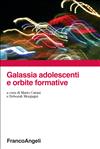
Una chiave di lettura che permetta di capire in cosa risiede la diversità degli, e tra, gli adolescenti, ipotizzare azioni educative diversificate, ma tra loro coerenti, identificare concrete piste metodologiche per la formazione. Proporre in sostanza una attrezzatura variabile che aiuti a fronteggiare i temi/problemi che gli adolescenti odierni portano ai “grandi”.
cod. 488.40
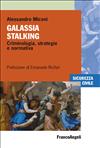
Criminologia, strategie e normativa
Il testo tratta il complesso fenomeno degli atti persecutori, fenomeno che sta assumendo, insieme ai reati di genere e di violenza domestica, proporzioni sempre più inquietanti. Strutturato in tre parti ‒ criminologia, strategie, normativa ‒ per offrire un quadro completo della materia, il volume è indicato per le vittime del reato, per gli operatori del diritto, per tutti coloro che se ne occupano a vario titolo nelle associazioni o nelle strutture pubbliche o private di assistenza sanitaria, psicologica o psichiatrica, nonché per gli studiosi del settore.
Premiato come "Miglior Libro" all’Osservatorio Giuridico Italiano National Award
cod. 1424.14
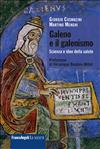
Scienza e idee della salute
Galeno (129-201 ca. d.C.), il medico filosofo nel cui sterminato sapere è depositata gran parte della tradizione medica, è qui il protagonista di una biografia intellettuale che giunge fino alle soglie dell’età moderna e per certi aspetti anche oltre. Protagonista di una medicina “filosofa” che è matrice di “saper essere” anche per i medici d’oggi.
cod. 1420.1.144

Galeno e Mosè (di Francesca Calabi) - ABSTRACT: Galeno critica la dottrina di Mosè che, pur ammettendo un ordine nella natura e la presenza di un piano provvidenziale, sostiene la possibilità che Dio intervenga a modificare tale ordine in maniera arbitraria, sottratta a ogni regolarità e legge. L’ipotesi dell’autrice è che Galeno, parlando di Mosè, non distingua nettamente tra Ebrei e Cristiani: egli sa bene che queste sono "scuole" - come lui le chiama - differenti, ma, forse, non ne distingue sempre chiaramente le tesi. È allora possibile che il referente del De usu partium sia composito: il Genesi (che già circolava parecchio ai tempi di Galeno), Filone, autori cristiani, il tutto visto in maniera unitaria come tesi di Mosè.
Galen was proud of his not being enslaved to any philosophical sect. He used to set his intellectual freedom against the sectarian spirit widespread among the intellectuals of his time. However, on many occasions he declared his preference for Plato’s philosophy. This article discusses the limits and the meaning of Galen’s Platonism. He strongly shares the theory of the tripartition of the soul as set out in the Republic, on which he bases the doctrines discussed in De placitis Hippocratis and Platonis. On the other side, Galen rejects as extraneous to the field of scientific demonstration the main elements in Plato’s philosophy, such as metaphysics, theology, cosmology, and immortality of the soul, all of which belong to the dimension of pithanon, more rhetorical than epistemic. The theory of ideas is not even mentioned. From this point of view, Galen can certainly not be considered a follower of Middle Platonism. More complex is the question of demiurgical providence and the teleological organization of nature. Here Galen is undoubtedly influenced by Plato’s Timaeus, but careful examination shows that he is closer to the immanentism of Aristotelian and even Stoic teleology.