cod. 1240.1.15
La ricerca ha estratto dal catalogo 105855 titoli
cod. 1240.1.15
Vademecum fra cime e crepacci della disabilità
Il volume vuole informare il lettore sul tema della disabilità nel nostro Paese oggi. Viene inoltre evidenziato che quando tecnologia e società concorrono a svolgere i propri ruoli in materia di disabilità, come nello sport, il disabile riesce a vivere correttamente la propria condizione umana.
cod. 1411.52
Valori di riferimento fra 8 e 36 mesi delle Forme complete e delle Forme brevi del questionario MacArthur-Bates CDI
La nuova edizione largamente rivista e ampliata di un questionario per i genitori di bambini fra 8 e 36 mesi, diffuso in Italia da molti anni. Il testo permette di definire indicatori di rischio affidabili e condivisi e di realizzare esperienze di prevenzione e screening.
cod. 1305.83
Gli atti normativi: da dove vengono e come sono creati. I diritti fondamentali
Partendo dalle cognizioni più elementari del diritto, il libro illustra i tipi di atti normativi che incidono nella nostra vita quotidiana e nella vita della società; spiega da quali Istituzioni provengono (Stato, Unione europea, Comunità internazionale); chiarisce come questi atti si coordinano fra loro e in base a quali criteri si stabilisce la prevalenza dell’uno sull’altro.
cod. 1820.144
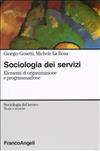
Elementi di organizzazione e programmazione
Un’introduzione alla psicologia della comunicazione. Sono illustrate le varie teorie dello sviluppo linguistico, approfondendo l’approccio proposto dalla scuola di Palo Alto e quello strategico. Sono analizzati alcuni ambiti applicativi, quali la comunicazione scritta nel bambino e la Lingua Italiana dei Segni (LIS). Sono esposte diverse modalità comunicative, quali la comunicazione non-verbale e quella persuasiva, in particolare nella sua applicazione nella comunicazione commerciale e in quella politica. Dopo uno sguardo “macrosociale” sul complesso rapporto tra comunicazione e informazione, il volume si chiude con un quadro della comunicazione prosociale nel settore non profit, con particolare riferimento alla Pubblicità Progresso di stampo nazionale e all’Advertising Council di tipo statunitense.
cod. 1529.2.92
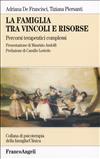
Percorsi terapeutici complessi
L’esigenza di esplorare e intervenire nell’intreccio tra i vincoli e le risorse, propri di ogni sistema familiare, è nata dalla necessità di affrontare i complessi problemi di pazienti, giovani adulti, che soffrono delle cosiddette patologie gravi: psicosi e disturbi gravi di personalità. Le famiglie qui prese in esame si dibattono tra sentimenti di sfiducia e disperazione connessi al crollo dei fondamenti positivi del legame familiare.
cod. 1249.1.19
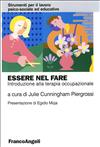
Introduzione alla terapia occupazionale
La terapia occupazionale è una professione riabilitativa molto diffusa all’estero, ma ancora poco nota in Italia. Partendo da un inquadramento storico e dai modelli teorici più diffusi e giungendo alla descrizione della pratica clinica e alla presentazione di alcuni casi studio, gli autori ci introducono alla terapia occupazionale, colmando una lacuna piuttosto importante nella letteratura italiana sull’argomento. Un utile strumento per gli studenti dei Corsi di laurea in Terapia occupazionale, ma anche per quanti si occupano di riabilitazione: medici, psicologi, fisioterapisti e operatori sociali.
cod. 1305.76
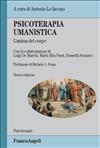
L'anima del corpo
Come dice il suo nome la psicologia umanistica riconosce una sua discendenza dall’Umanesimo, simbolo della rivalutazione della persona umana nella sua totalità psico-fisica. Questo saggio vuole essere una documentazione teorico-storica di questo importante e rivoluzionario movimento, e anche un esempio di psicologia umanistica applicata nelle diverse personalità degli autori.
cod. 1250.90
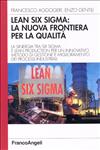
La sinergia tra six sigma e lean production per un innovativo metodo di gestione e miglioramento dei processi industriali
La metodologia Lean Six Sigma, o LeanSigma, è attualmente l’arma più efficace per rispondere alla dinamicità del mercato ed offrire un prodotto competitivo. Il testo fornisce al lettore le linee guida essenziali per sviluppare un progetto Lean Six Sigma in azienda: un approccio strutturato alla metodologia, un percorso d’implementazione, strumenti ed esempi pratici.
cod. 100.618

Clinica dei corpi familiari
cod. 1245.30

Manuale di ricerca empirica
cod. 1152.1

La parentesi omeopatica di vite famose
cod. 2000.1098
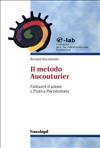
Fantasmi d'azione e pratica psicomotoria
Un manuale in cui l'autore, fondatore della omonima Pratica Psicomotoria Aucouturier (PPA), traccia in modo sistematico i fondamenti teorici e le linee applicative del proprio metodo. Ricco di esperienza e di concetti, il libro si rivolge anzitutto agli psicomotricisti, ma anche a tutti coloro che lavorano con i bambini, sollecitandoli a riflettere e a porsi domande sulla loro attività quotidiana.
cod. 568.1.1
cod. 1240.235
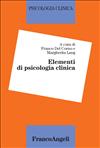
A partire dai riferimenti storici e metodologici della psicologia clinica, questa nuova edizione del volume guida il lettore attraverso le varie fasi del processo diagnostico, le tecniche del colloquio clinico, gli strumenti della diagnosi testologica, fino alla trattazione dei principali approcci psicoterapeutici.
cod. 1226.17
cod. 1305.53
Un'introduzione interdisciplinare
Oltre alla loro utilità in campo lavorativo, le competenze comunicative interpersonali sono determinanti anche nella vita privata, poiché la qualità delle relazioni che l’individuo intrattiene in famiglia, con gli amici, sul luogo di lavoro, è uno dei fattori che influisce maggiormente sul benessere psicofisico e sulla realizzazione esistenziale. Questo libro si propone come manuale di base rivolto a studenti universitari, formatori, consulenti e professionisti desiderosi di ampliare le proprie conoscenze in ambito interpersonale. Un testo ricco di esercizi, tecniche e indicazioni di agile e immediata utilità operativa.
cod. 244.9
Il lavoro educativo in ambito sociosanitario
Un testo per operatori di ambito socio-sanitario e assistenziale, e più in generale per tutti coloro che a vario titolo gestiscono relazioni di cura, sostegno, aiuto. In un’ottica educativa, il volume sostiene l’importanza della formazione al benessere, basata sull’idea che tutti possiamo imparare a star meglio e che il benessere non è soltanto una questione di quantità di risorse, ma soprattutto di qualità di scelte, individuali e sociali.
cod. 292.2.38
Nuovi sviluppi: il Development Centre e il Bilancio di Competenze in Azienda
Un quadro aggiornato degli strumenti a disposizione degli operatori e dei consulenti che si occupano di Risorse umane: dai Consulenti di orientamento e di carriera, agli Assessor, ai Responsabili della selezione, formazione e sviluppo.
cod. 100.545
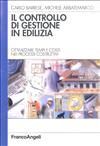
Ottimizzare tempi e costi nei processi costruttivi
Un valido supporto per gli operatori del settore che vogliano improntare la loro attività a criteri di efficienza ed efficacia, rispondendo così in maniera ottimale alle sollecitazioni provenienti dal mercato o imposte dal Legislatore.
cod. 100.534